
What are the five C's of team building?
The "five C's" that come up in team-building conversations aren't a peer-reviewed model with a named study behind them — they're a practitioner mnemonic, the kind consultants and facilitators use to organise a workshop agenda, similar in spirit to Patrick Lencioni's five dysfunctions framework. The letters vary by who's presenting, but the most common version runs: Communication, Collaboration, Cohesion, Commitment, and Conflict resolution. Some versions swap in Character or Creativity.
Treat it as a checklist, not a theory. Each letter names a behaviour a manager can actually observe in a meeting — people sharing information, working jointly rather than in parallel, staying with the group through a hard quarter, showing up prepared, and disagreeing without going silent afterward. None of this is validated the way Amy Edmondson's psychological safety research or Google's Project Aristotle findings on team effectiveness are; it's a way of sorting symptoms, and it's useful for exactly that — deciding which symptom you're looking at before you pick an activity to fix it.
The rest of this piece works from the symptom side: what a manager actually sees in the room, and which activity category answers it.
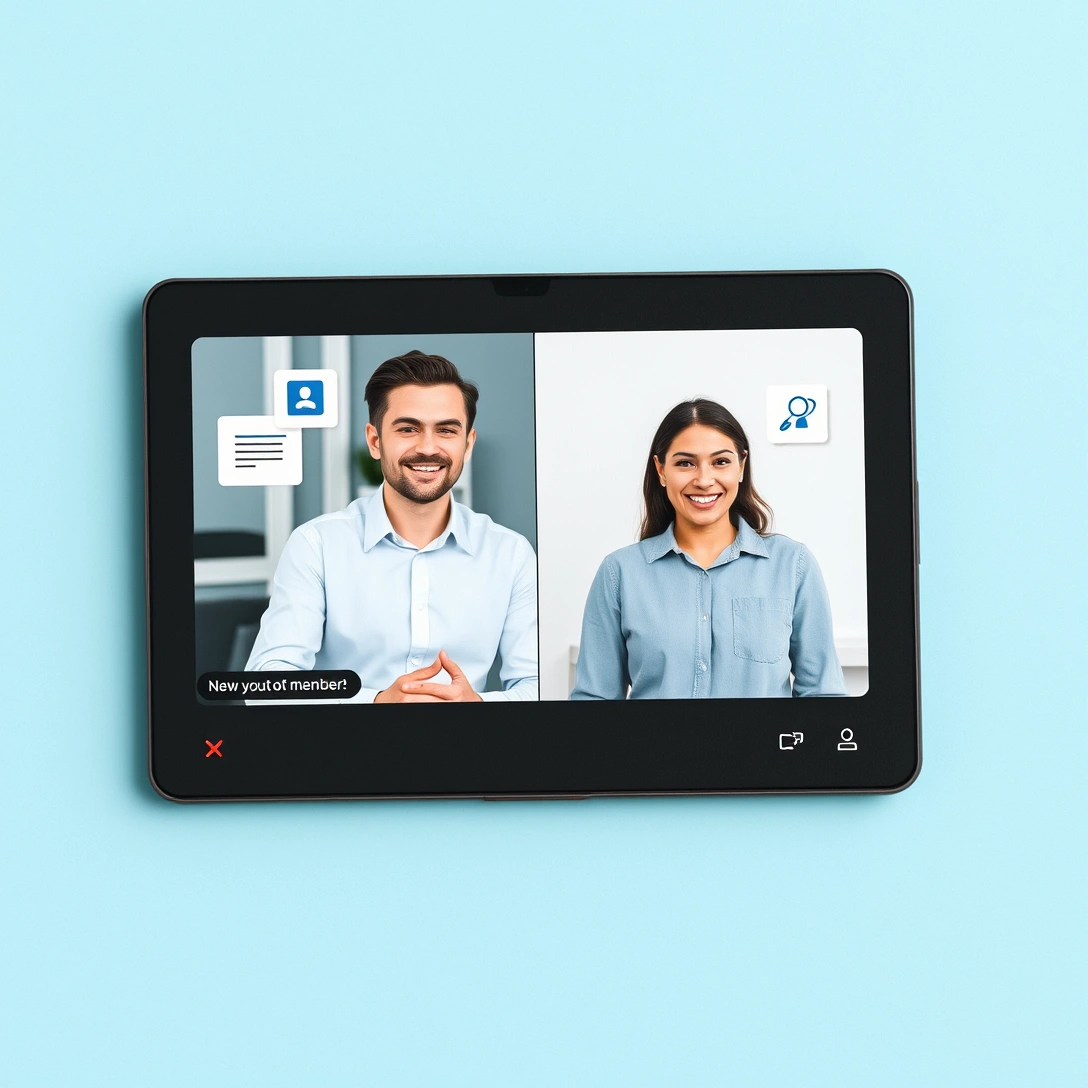
New or remote members have few shared touchpoints
The tell is simple: people on the team don't know basic facts about each other — what another person's role touches, what they worked on before this job, how they prefer to be contacted. That's the underlying condition, whether it's a brand-new hire, a just-merged team, or a distributed group that's never met in person.
Left alone, this shows up as thin communication and quiet duplication of work — people don't loop each other in because they don't yet know who needs to be looped in. It's not a motivation problem; it's a familiarity gap.
The fix that matches this symptom is the lowest-cost one available: short icebreaker questions run at the start of a regular meeting, not a separate event. Two or three minutes of "what's one thing you're working on that nobody else on this call would guess" does more for a new or remote team than a half-day offsite, because it happens weekly and compounds. Bryant University's roundup of five-minute activities is built around exactly this constraint — formats short enough to run inside an existing meeting rather than requiring one of their own.
What changes, concretely, is that members start volunteering context unprompted — mentioning a blocker before being asked, flagging an overlap because they now know who else touches that piece of work. The advantage for a manager is practical as much as behavioural: this fix needs no budget, no venue, and no day pulled from the calendar.
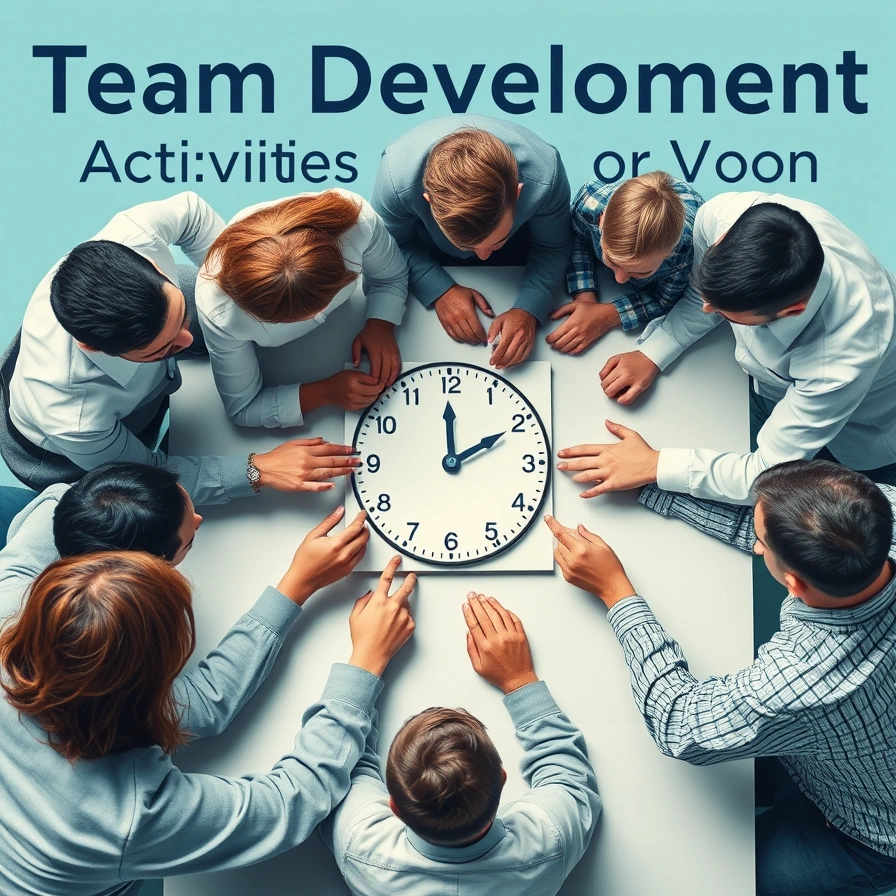
Team struggles to solve problems jointly under pressure
The symptom here is different from the one above — the team already knows each other, but when a real problem lands, people solve it separately rather than together. You see duplicated effort, decisions that stall because nobody's sure who owns the call, and a meeting that produces a list of individual to-dos rather than a shared plan.
This calls for a structured, timed problem-solving exercise — an escape-room-style puzzle, a scavenger hunt with sequential clues, a build challenge with a materials limit and a clock. SessionLab's activity library groups a number of these timed-challenge formats together for exactly this reason: they force a team to divide labour, share partial information, and converge on one answer under a constraint that mirrors real work pressure more closely than a getting-to-know-you icebreaker does.
The step nobody skips well is the debrief. Running the puzzle and moving on wastes the exercise — the transfer happens in the ten minutes after, when the facilitator asks what the team actually did differently under time pressure, and maps that behaviour onto a real project. Skip the debrief and you've run a game; run it and you've practised a skill.
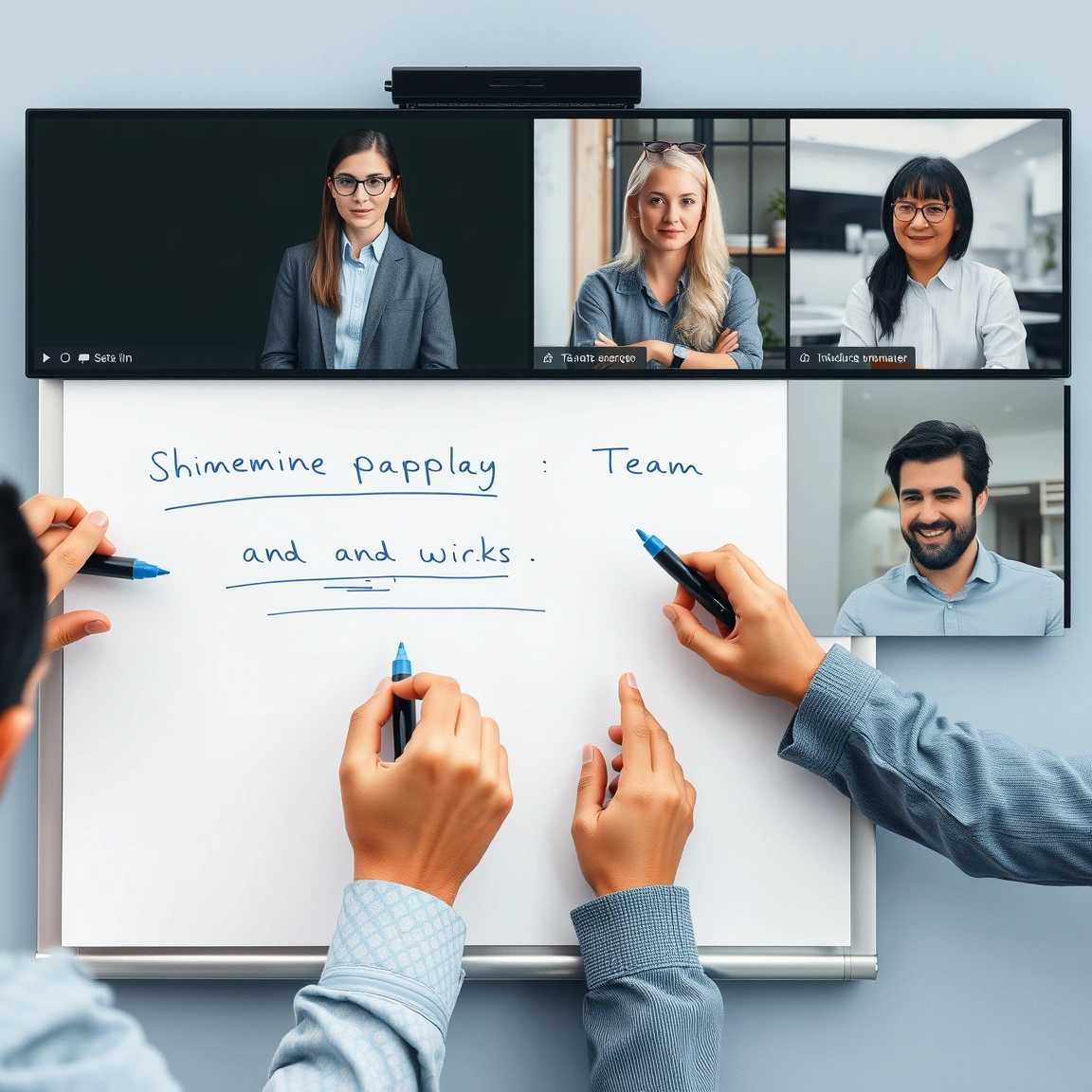
Distributed team has no shared room
For a team that never occupies the same physical space, most room-based games are structurally unusable — nobody can pass an object, draw on a shared whiteboard by touch, or read body language across eight tiles on a video call the way they would around a table.
The workable substitute is a virtual-native format: a shared document built collaboratively in real time, a virtual whiteboard exercise, a trivia round run through screen share, a structured round-robin of short prompts. Asana's list of team-building games includes a number of formats designed to run entirely over video call rather than adapted from an in-person original — that distinction matters, because a game retrofitted for Zoom usually loses whatever made it work in a room.
Length matters more on a call than in person. Video fatigue sets in faster than in-room fatigue, so the formats that hold up on a distributed team tend to be the five-to-ten-minute ones rather than anything that asks for forty-five unbroken minutes of camera time. A remote manager's actual job here is less "find an activity" and more "filter the generic list down to what survives call fatigue" — which usually means shorter, more structured, and less dependent on physical props.
Activity is chosen for fun alone and imposed on the team
The failure mode worth naming directly: an activity gets picked because it looked fun in a listicle, gets scheduled without asking the team, and gets treated as mandatory. Members read that correctly as forced fun, and the session produces disengagement instead of the connection it was meant to build.
The fix isn't a better activity — it's a better match. Three variables decide whether an activity fits: team size, the time actually available, and a stated goal tied to a real team problem. An activity chosen against those three, and then debriefed against the stated goal, reads as work-relevant rather than imposed. One chosen for novelty alone reads as filler, no matter how well it's run.
Berkeley's team-building toolkit frames this as a planning step that precedes activity selection, not something bolted on afterward — deciding what the session is actually for before choosing what happens in the room. Getting that order right is most of what prevents the common failure where a team-building session damages trust instead of building it.
Icebreaker, team-building exercise, or social event: which one you need
These three get used interchangeably, but they answer different problems, and picking the wrong one is a common reason a session underdelivers.
| Format | What it builds | Typical length | Best fit |
|---|---|---|---|
| Icebreaker | Familiarity — basic facts about teammates | 2–5 minutes | New members, meeting openers, remote check-ins |
| Team-building exercise | A practised skill — joint problem-solving, communication under pressure | 20–90 minutes | Teams that already know each other but don't collaborate well |
| Social event | Morale and goodwill, no specific skill target | An evening or half-day | Teams under sustained stress, post-crunch recovery |
An icebreaker won't fix a team that can't make joint decisions, and a problem-solving exercise is overkill for a team that just needs to learn each other's names. Matching the format to the actual gap — familiarity, skill, or morale — is a five-minute decision that determines whether the other ninety minutes are well spent.
Choosing an activity: size, time, and format
Group size is the constraint that breaks activities silently — a format built for eight people run with forty just produces subgroups that never interact, and a manager who doesn't check headcount against the exercise's design finds this out mid-session.
- Under 8 people: Almost any format works; icebreakers and paired exercises scale down easily and don't need a large-group structure.
- 8–20 people: Most standard team-building exercises are designed for this range — small enough for one facilitator, large enough to split into two or three working groups.
- 20–40 people: Formats need an explicit sub-grouping structure built in, or they collapse into a few people talking and the rest watching.
- 40+ people: Treat it as several parallel sessions rather than one activity; a single facilitator can't run a discussion-based exercise at this scale.
Time available narrows the list further. BetterUp's roundup of team-building exercises spans formats from a few minutes to a full day, and the honest filter for most managers is simply: what's actually free on the calendar this week, not what looks most impressive on a slide. A five-minute icebreaker run every week outperforms a quarterly offsite that gets cancelled twice a year for being hard to schedule.
Remote versus in-person is the last filter, and it should be applied before format, not after — a game that depends on passing a physical object or reading a room's body language needs a substitute for a distributed team, not a half-hearted video adaptation.
The debrief questions that make an activity transfer to work
An activity without a debrief is just a game — the transfer to actual team behaviour happens in the conversation immediately after, and skipping it is the single most common reason a session gets remembered as fun but changes nothing.
Four questions do most of the work:
- What did we actually do differently as a group, compared to how we'd normally approach a task like this?
- Who ended up doing what, and did that match who's best placed to do it in real work?
- Where did we get stuck, and what information was missing when we did?
- What's one thing from this we should actually carry into next week's work?
The fourth question is the one that turns an exercise into an intervention rather than a diversion — it names a specific behaviour change and ties it to a specific piece of upcoming work, rather than leaving the insight to fade by the next meeting.
Opt-out, inclusion, and whether participation should be mandatory
Not everyone should be required to participate, and treating an activity as mandatory creates real exposure a manager should know about before scheduling one. Physical games can exclude people with mobility limitations; food-based activities raise dietary and religious-accommodation issues; anything built around loud group performance disadvantages introverted members regardless of how "optional" it's labelled socially.
Berkeley's toolkit treats voluntariness as part of planning an event, not an afterthought — deciding up front whether attendance is expected, and building in an alternative for anyone who opts out, rather than discovering the gap after someone's already been excluded. For activities scheduled outside normal working hours, there's a separate question for non-exempt staff: time spent at an employer-organised activity can count as compensable work time depending on how mandatory it actually is, which is a wage-and-hour question worth checking against current guidance before scheduling anything after 5pm.
The practical rule: if a manager wouldn't feel comfortable defending "why wasn't this optional" to the one person who skipped it, it shouldn't be framed as required.
Measuring whether it worked
Most team-building write-ups stop at "ran the activity" without saying how anyone would know it changed anything, which leaves the manager with no way to tell a session that helped from one that was just pleasant.
A few observable markers work better than a satisfaction survey:
- Does the next few meetings show more people speaking, not just the usual three?
- Do people start looping in teammates unprompted on things that used to get missed?
- Does a follow-up on the debrief's "one thing to carry forward" actually show up in how the next project gets run?
None of these require a formal instrument — they're things a manager can watch for directly in the two or three meetings after the activity, which is a shorter feedback loop than waiting for the next engagement survey cycle to say something moved.
Five- and ten-minute activities to start with
For a manager with thirty minutes free before a 4:30 meeting, the practical shortlist is short activities that need no venue, no materials budget, and no advance sign-up.
- Two-minute context share: one question, one answer each, run at the top of a standing meeting — no facilitator prep required.
- Virtual whiteboard warm-up: a shared digital board where each person adds one item in under a minute, works identically for remote and in-person groups.
- Paired trivia round: short, low-stakes, and scales from four people to forty without redesign.
Bryant University's list of five-minute activities and Slack's roundup of team-building activities for work both collect formats built around this exact constraint — short enough to run without becoming its own calendar event, which is the version of team building most teams actually get repeated exposure to.
Pick one that matches the size of the room you actually have and the ten minutes you actually control, run it once, and ask the debrief questions afterward before deciding whether to run it again.